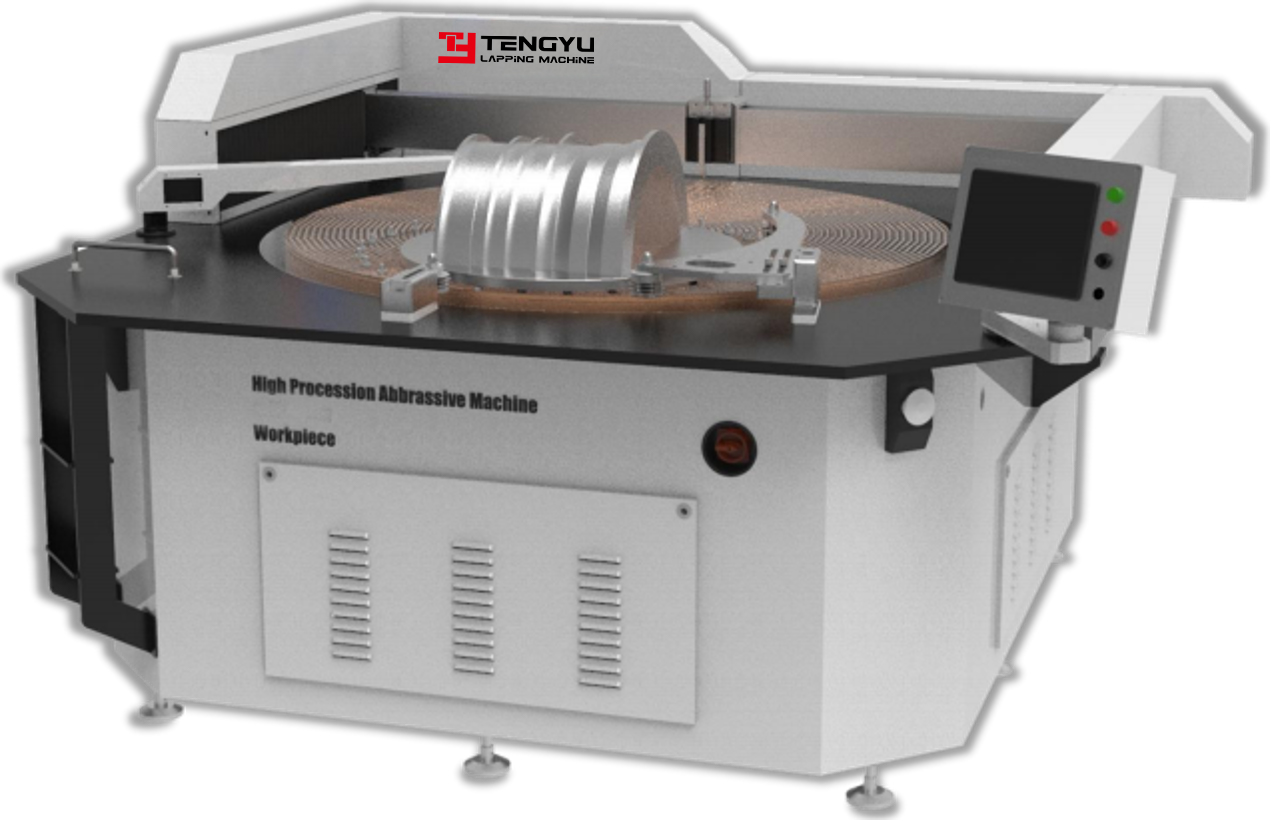
Stainless Steel Lapping Machine is the core special equipment for precision machining of stainless steel. The scientificity and standardization of its processing technology directly determine key quality indicators such as workpiece flatness and surface roughness, and are the core premise for ensuring the service performance of downstream stainless steel components. This equipment is compatible with various common stainless steel materials, and can realize surface finishing, deburring and polishing of plates, blocks and precision parts. Its precise processing relies on the systematic control of key links such as material adaptation, parameter adjustment and equipment calibration.
Material adaptation is the foundation of processing, and plans should be formulated according to the characteristics of stainless steel: medium-hardness stainless steel is compatible with conventional abrasives and standard parameters to meet general needs; high-hardness and corrosion-resistant stainless steel requires high-hardness abrasives, with reasonable speed reduction and pressure increase to balance efficiency and quality; low-hardness stainless steel can use conventional abrasives to appropriately increase speed and efficiency, while strictly controlling grinding force to avoid workpiece deformation.
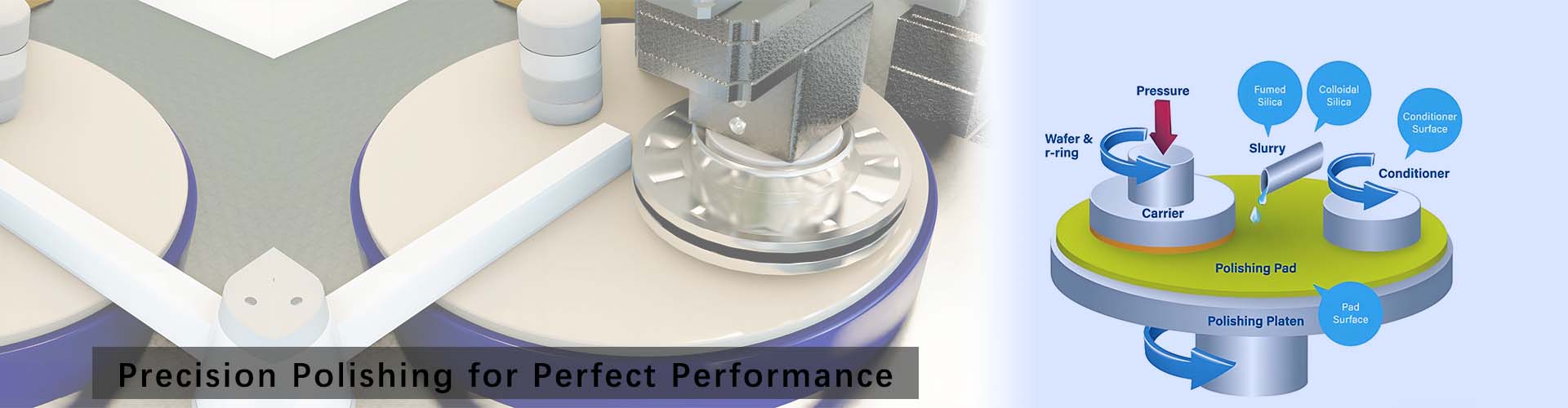
Parameter adjustment is the core of precision. Abrasives and grinding fluid must be accurately matched with materials: silicon carbide abrasives for high-hardness stainless steel and white fused alumina abrasives for ordinary stainless steel. Grinding fluid should have cooling, lubrication and cleaning functions to prevent workpiece oxidation and scratches. Rough grinding focuses on removing excess material and leveling the surface with high speed and medium pressure; fine grinding emphasizes improving smoothness and ensuring precision by reducing speed and accurately controlling pressure to avoid surface damage.
Standardized equipment operation and regular calibration ensure stability. Workpiece fixing with fixtures should be standardized to ensure firm and uniform stress; the grinding disc should be regularly dressed and calibrated with diamond trimmers, and the pneumatic, electrical and transmission systems should be inspected to eliminate abnormalities, ensuring processing stability and consistency. Meanwhile, dust and humidity in the working environment are strictly controlled, and operators conduct standardized operation and flexible parameter adjustment to further improve machining accuracy and product qualification rate.





 English
 русский
 한국어
한국어 Deutsch
 español
 italiano
 العَرَبِيَّة