How to Improve the Precision of Stainless Steel Flat Lapping Through Hardware Calibration and Process Optimization?
1 Core Hardware Precision Calibration: Consolidating the Foundation of Precision Machining
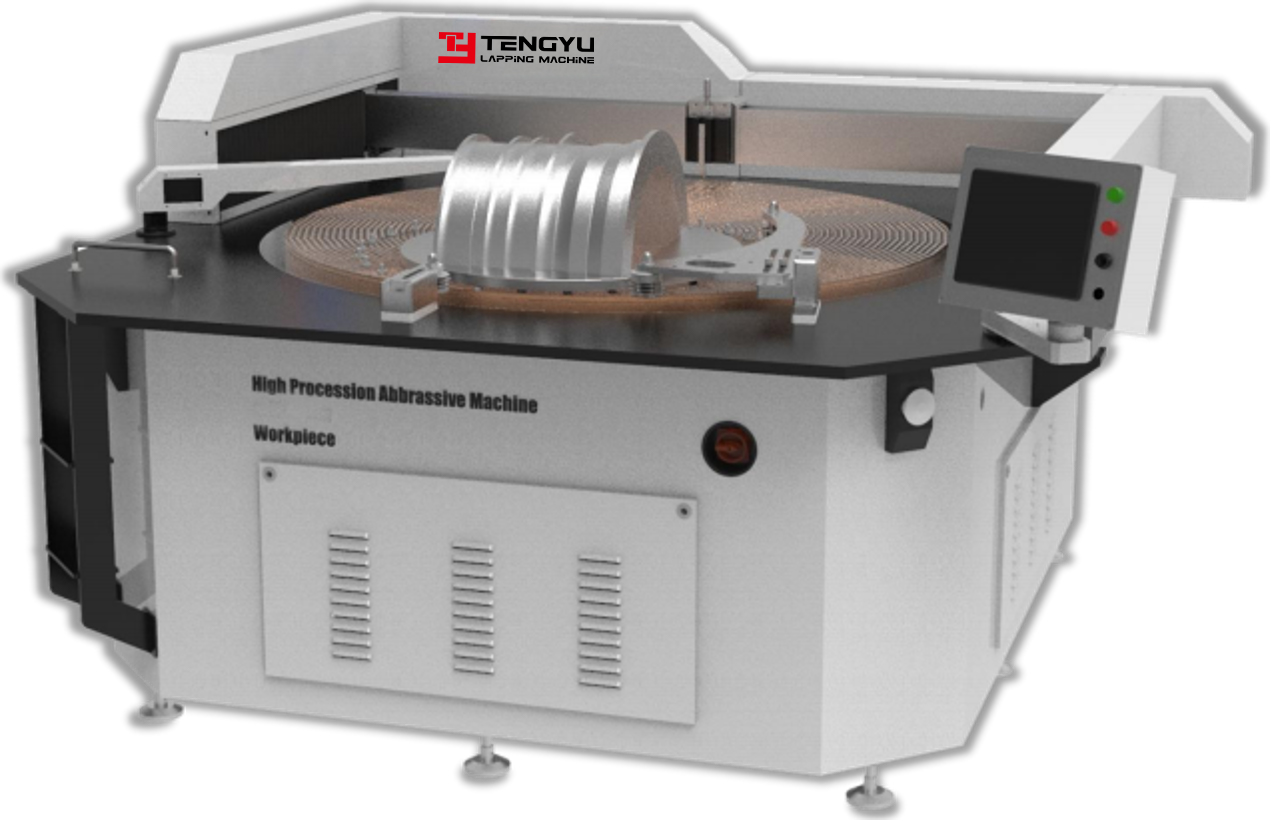
As the core functional component of the equipment, the lapping plate is mostly made of high-wear-resistance cast iron or alloy material. It needs to be calibrated for flatness and parallelism regularly with a diamond dresser to eliminate end-face wear and deformation caused by long-term use, thus avoiding workpiece flatness out-of-tolerance issues from the source. The spindle system must be periodically inspected for rotational accuracy and speed stability to ensure coaxiality compliance and prevent uneven grinding caused by operational runout. The pressure clamping mechanism requires pressure balance debugging to guarantee uniform stress distribution on the workpiece and avoid plastic deformation due to local overload. Hardware calibration is a necessary prerequisite for ensuring basic machining precision.
2 Staged Process Parameter Optimization: Adapting to the Characteristics of Stainless Steel Processing
Stainless steel flat lapping must follow the principle of graded machining including rough lapping and finish lapping: In the rough lapping stage, select an appropriate abrasive particle size, set reasonable spindle speed and grinding pressure to efficiently remove the workpiece blank allowance and control machining efficiency. In the finish lapping stage, reduce the speed and working pressure, and use a special lapping coolant to achieve low-damage precision grinding, with strict control over surface roughness and flatness. The flow rate and concentration of the lapping fluid should be properly regulated to exert multiple functions of cooling, lubrication, chip removal and rust prevention, reducing scratches and corrosion on the stainless steel surface caused by high grinding temperature and abrasive residue, and optimizing the machining effect to match material characteristics.
The operating environment must maintain constant temperature, dust-free and vibration-free conditions to reduce the interference of ambient temperature changes, dust and external vibration on machining precision. Standardized procedures for workpiece clamping, lapping and precision inspection must be strictly implemented. Through two-way control of precise hardware calibration and graded optimization of process parameters, the machining precision and finished product qualification rate of
stainless steel flat lapping can be significantly improved, meeting the stringent requirements of high-end precision manufacturing for stainless steel workpieces and giving full play to the equipment and process efficiency.







 English
 русский
 한국어
한국어 Deutsch
 español
 italiano
 العَرَبِيَّة