Mirror Polishing Machine: Why ordinary polishing cannot achieve a truly streak-free mirror surface?
After preliminary grinding, many workpieces look bright to the naked eye, but microscopic inspection still finds residual fine abrasive marks, polishing lines and local halo defects. Ordinary polishing mainly brightens the surface through friction of consumables, which only covers up flaws rather than completely eliminating microscopic unevenness. Unstable polishing pressure causes local over-polishing and edge collapse while concave areas cannot be fully polished, resulting in poor batch consistency of finished products. It easily leads to peeling, spots and other defects in subsequent electroplating and coating processes, which is the core reason why conventional polishing fails to produce qualified flawless mirror surfaces.
The
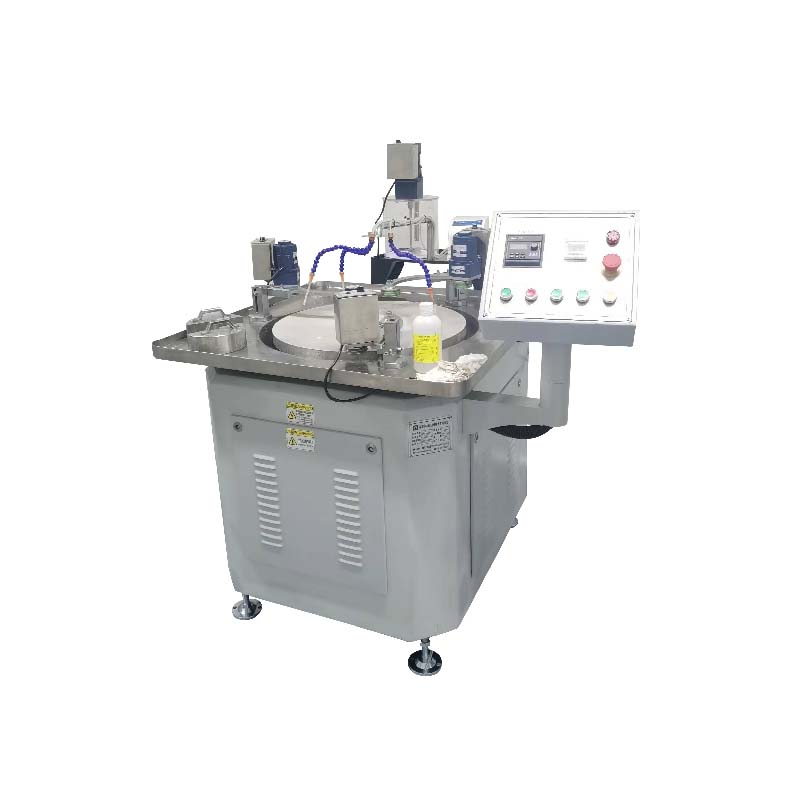
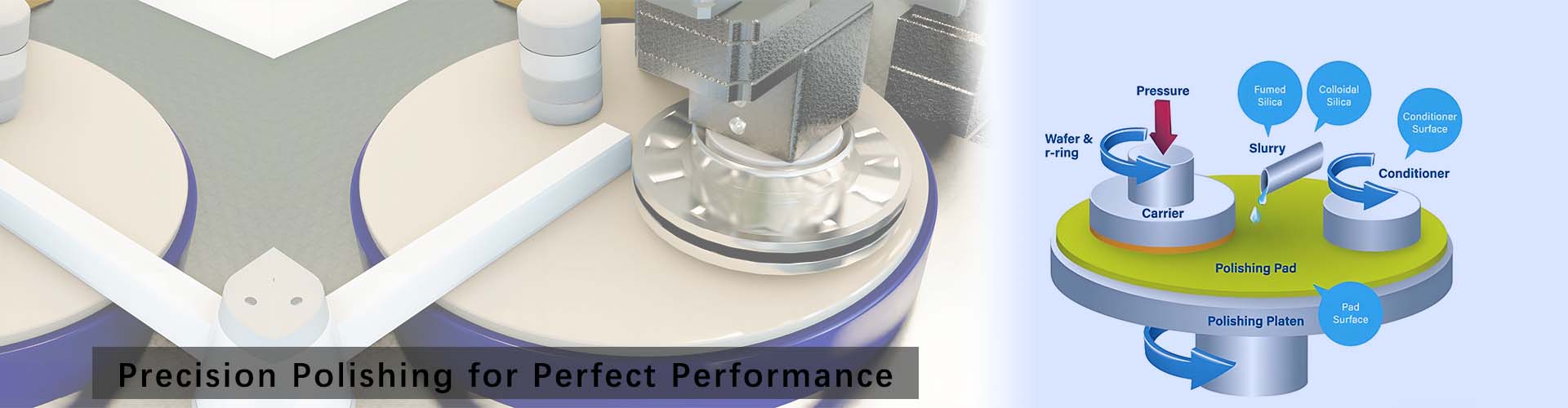
Mirror Polishing Machine abandons the traditional processing logic of simple friction brightening and adopts micro material removal as the core principle. Equipped with a rigid and stable polishing disc system, it maintains constant pressure and standardized motion trajectories to remove microscopic height differences on the workpiece surface layer by layer, instead of merely pressing and covering surface lines. It supports replaceable polishing media for different materials including molds, ceramics and optical components. Without aggressive cutting force, it effectively avoids surface burning and thermal deformation of workpieces.
The finished workpieces feature not only a high-brightness mirror appearance, but also no hidden processing lines at the microscopic level. The original flatness is well preserved with no edge collapse or damage. Products in the same batch have extremely small dispersion in glossiness and surface roughness. This equipment solves the unstable mirror effect in sample trial production and supports large-scale continuous mass production. Processed workpieces can be directly delivered to subsequent processes such as coating, bonding and assembly, eliminating extra working hours caused by repeated rework and secondary polishing.







 English
 русский
 한국어
한국어 Deutsch
 español
 italiano
 العَرَبِيَّة