The Core Importance of Working Environment and Process Control in Copper Alloy Surface Lapping
Copper alloy is often used in the manufacturing of electronic connectors, precision valve plates, heat dissipation components and other products due to its high thermal conductivity, excellent electrical conductivity and easy machinability. However, copper alloy is relatively soft, highly ductile, and prone to oxidation and abrasive debris adhesion. As a result, its
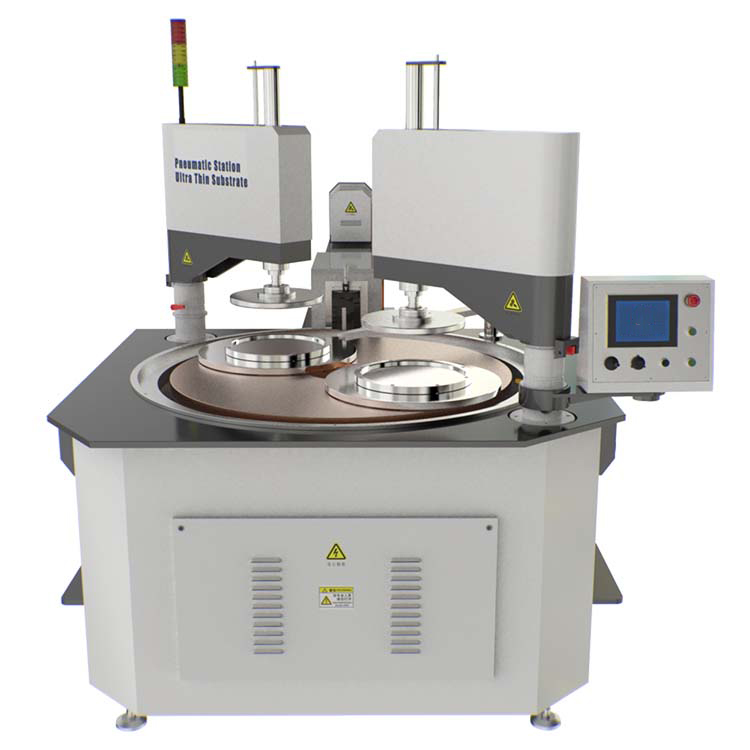
copper alloy surface lapping has higher requirements for working environment and process management than ordinary metal materials. Standardized working environment and process control are directly related to the surface flatness, smoothness of copper alloy workpieces and quality consistency in mass production, serving as the key to ensuring processing quality and production efficiency.
A suitable working environment is the foundation for precise copper alloy surface lapping. Copper alloy is sensitive to temperature changes; fluctuating ambient temperature can easily cause deformation of workpieces and lapping plates, affecting lapping accuracy. Excessively high ambient humidity accelerates the oxidation of copper alloy surfaces, forming an oxide film that not only impairs lapping effect but also makes debris more likely to adhere to the workpiece surface. In addition, a clean environment must be maintained during lapping to prevent dust and impurities from mixing into the process and causing secondary scratches on the workpiece surface. Meanwhile, lapping equipment should be placed on stable ground to reduce interference from external vibrations and ensure stable lapping operation.
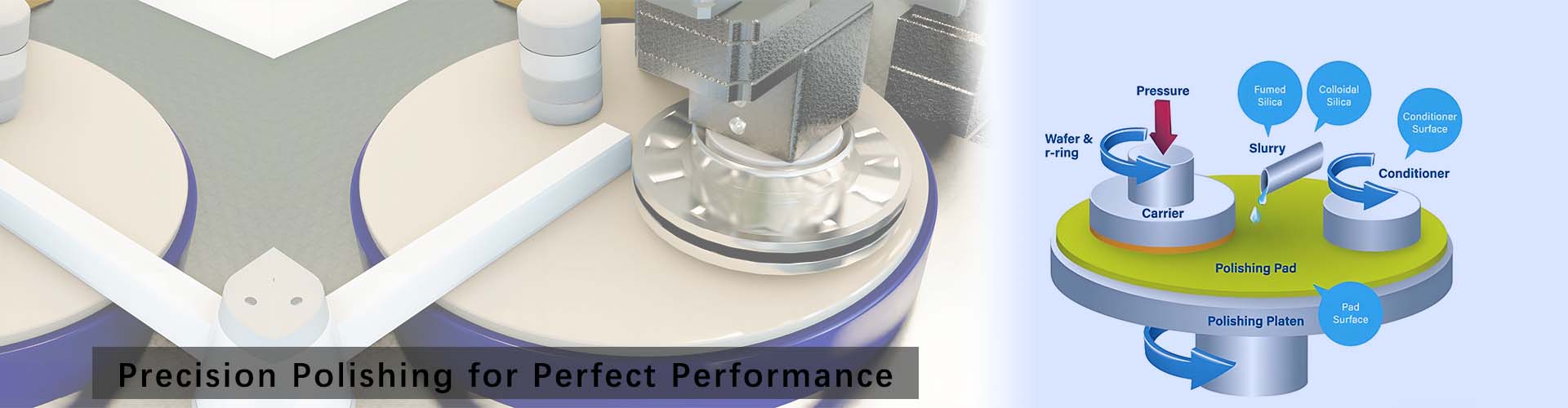
Standardized process control is the key to consistent quality in batch lapping. The lapping fluid used for cutting must be thoroughly filtered to avoid residual debris from affecting subsequent lapping and causing scratches on the workpiece surface. Fixtures for fixing workpieces should be dedicated to rough lapping and finish lapping separately to prevent cross-contamination of debris from different processes and ensure machining accuracy. Lapping plates require regular truing to maintain surface flatness; otherwise, lapping quality will progressively deteriorate. Furthermore, first-piece inspection on flatness and smoothness must be conducted before processing each batch, with regular sampling inspections during mass production to detect issues and adjust equipment in a timely manner, avoiding mass defective products.
In summary, the working environment provides stable processing conditions for copper alloy surface lapping, while process control standardizes the entire machining process. Only through their coordinated cooperation can high-precision and high-consistency lapping of copper alloy workpieces be achieved, laying a solid foundation for the stable application of subsequent products.







 English
 русский
 한국어
한국어 Deutsch
 español
 italiano
 العَرَبِيَّة