As the core wide-bandgap material for third-generation semiconductors, silicon carbide features high hardness, high chemical stability and excellent high-temperature resistance, serving as a key substrate for new energy equipment and high-end power devices. However, due to its hard and brittle properties that bring extreme processing difficulty, traditional grinding equipment cannot eliminate surface micro-scratches, stress layers and flatness errors effectively. The
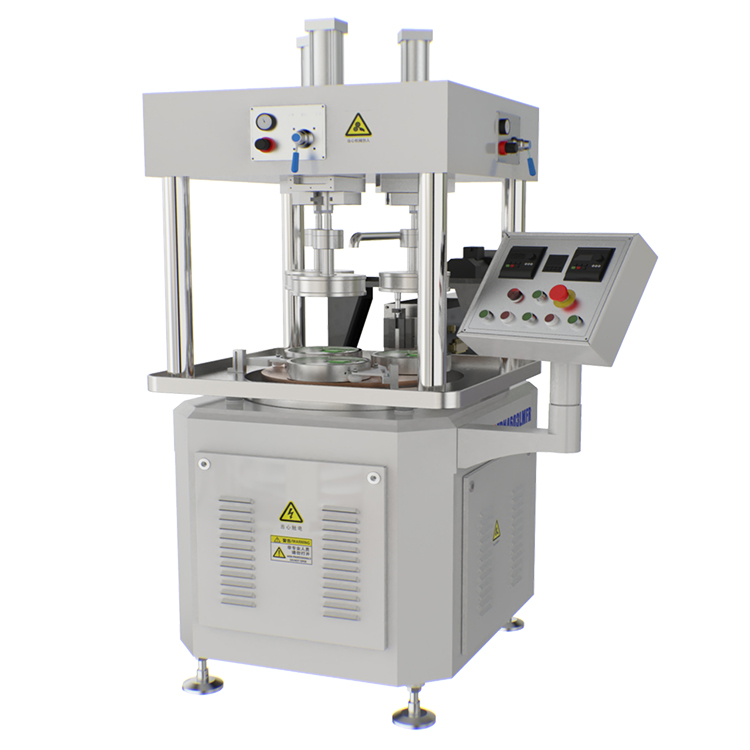
Silicon Carbide (SiC) Polishing Machine is a special core device tailored for the precision finishing of SiC wafers and a critical piece of equipment for the planarization process in the front-end manufacturing of semiconductor chips.
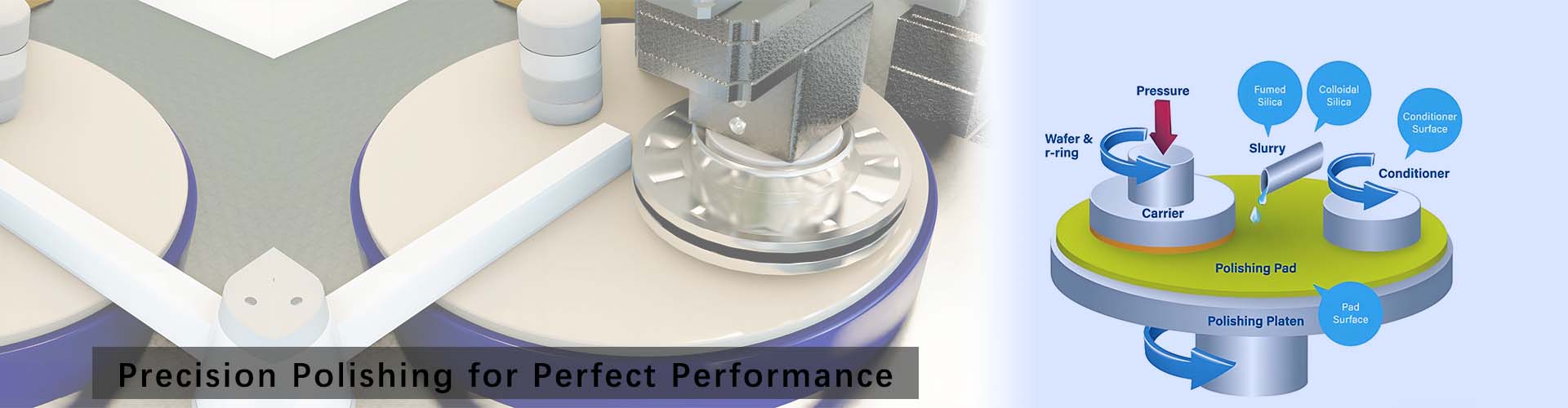
Different from pure mechanical grinding modes, this machine adopts the composite processing principle of Chemical Mechanical Polishing (CMP). During operation, the special polishing solution first undergoes a mild oxidation reaction with the surface of SiC wafers to form a soft oxidized modified layer. Subsequently, uniform mechanical friction generated by high-precision polishing discs and nano-abrasives removes the surface modified structure in micro amounts, achieving a dynamic balance between chemical corrosion and mechanical removal. This fundamentally eliminates processing defects such as edge chipping, scratches and residual stress of hard and brittle materials.
To meet the stringent processing standards for SiC wafers, the equipment is equipped with closed-loop pressure regulation, constant-speed transmission and real-time temperature control systems. The high-rigidity machine body undergoes aging treatment to completely avoid processing deformation and disc runout. Combined with zonal pressure compensation technology, it evenly balances the material removal rate at the center and edge of wafers and effectively solves workpiece warpage. Meanwhile, the real-time temperature control module stabilizes the operating environment of polishing liquid and prevents machining accuracy deviations caused by temperature fluctuations.
Relying on an accurate process control system, the machine controls the surface roughness of SiC wafers within 0.5nm and precisely manages flatness errors at the micron level, fully meeting the high-end production requirements of epitaxial growth and photolithography processes. With the processing advantages of high precision, low damage and high consistency, the Silicon Carbide (SiC) Polishing Machine has become the core equipment for mass production and processing of SiC wafers in automotive-grade semiconductors, aerospace and high-end electronic device industries.







 English
 русский
 한국어
한국어 Deutsch
 español
 italiano
 العَرَبِيَّة