The
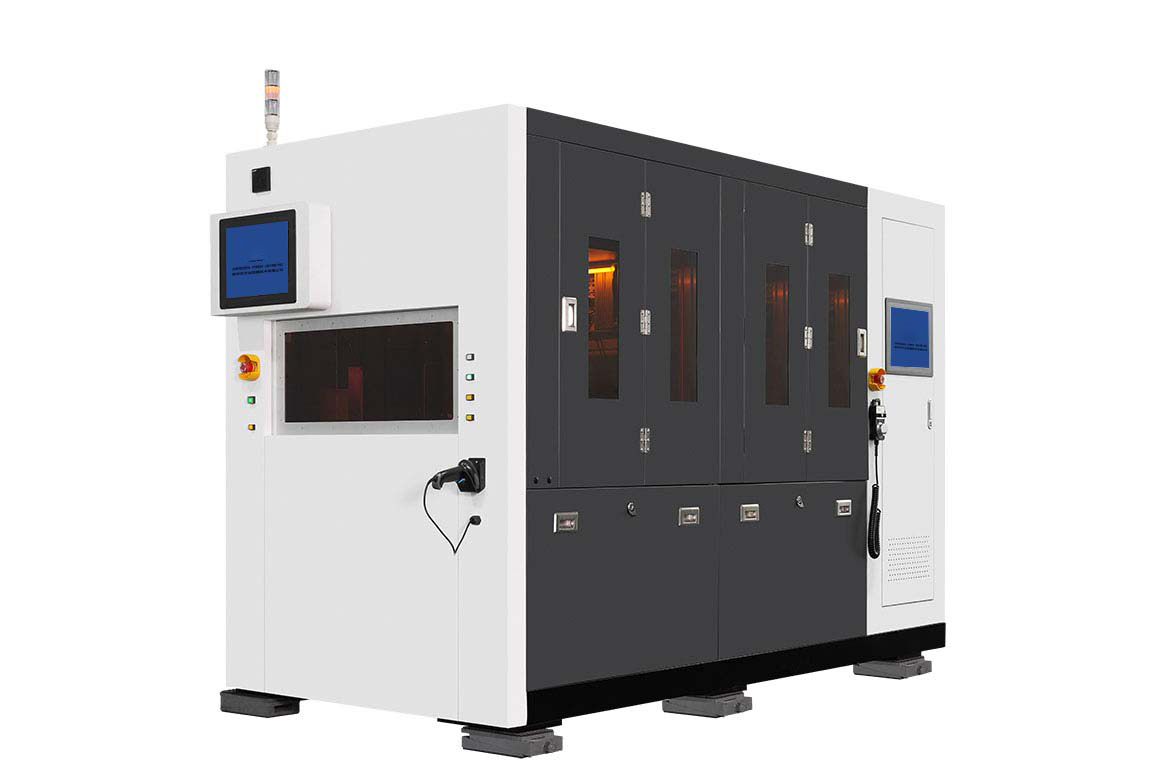
Fully Automatic Wafer Grinder is compatible with conventional 4-inch, 6-inch, 8-inch, and 12-inch wafers, but not all sizes. Its adaptability is limited by multiple factors such as equipment structure, fixture specifications, and control systems, and targeted adjustments are required to adapt to special-sized wafers. The core adaptation logic revolves around hardware matching and software calibration.
At the hardware level, the wafer size directly determines the specifications of the suction cup, loading/unloading robotic arm, and the effective grinding range of the grinding wheel. Conventional fully automatic models are default compatible with mainstream 4-inch, 6-inch, 8-inch, and 12-inch wafers. To be compatible with small-sized wafers below 4 inches, it is necessary to replace the special suction cup and adjust the gripping position of the robotic arm; to adapt to large-sized wafers above 12 inches, the equipment must have a larger workbench stroke and higher spindle rigidity.
In terms of software and processes, the grinding parameters and thickness detection points of wafers of different sizes need to be recalibrated. Small-sized wafers are prone to deformation due to uneven adsorption force, so the vacuum pressure parameters need to be optimized; large-sized wafers require enhanced edge grinding compensation to avoid edge thickness deviation.
Most
Fully Automatic Wafer Grinders of TENGYU adopt the mode of "standard configuration for mainstream sizes + customization for niche sizes". Since frequent size replacement will reduce production capacity, TENGYU can provide customized solutions according to the size requirements of mass production factories to improve the compatibility and production efficiency of the equipment.







 English
 русский
 한국어
한국어 Deutsch
 español
 italiano
 العَرَبِيَّة