Influence of Polishing Slurry Type and Platen Rotation Speed on Polishing Performance of the Ceramic CMP Polisher
The
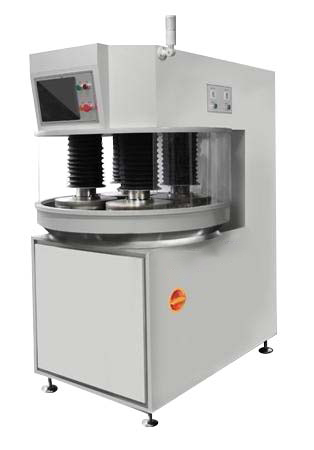
Ceramic CMP Polisher is the core equipment for precision ceramic machining. Polishing performance directly determines the surface quality and machining accuracy of ceramic workpieces. Among the key factors, polishing slurry type and platen rotation speed are two major variables that directly affect polishing efficiency and workpiece yield. Based on practical applications, their influences on polishing results are as follows.
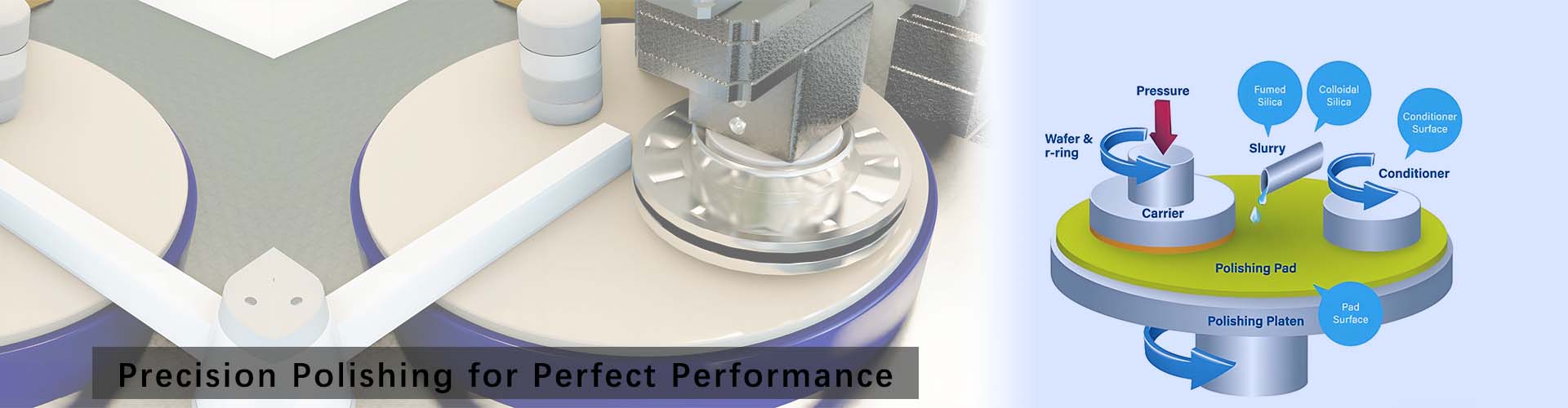
The type of polishing slurry must match the requirements of ceramic polishing. Acidic slurries offer high material removal rates and can quickly remove surface protrusions and impurities, making them suitable for rough polishing. However, they are relatively corrosive; improper selection can easily cause pitting and scratches. Alkaline slurries provide mild cutting action and are ideal for fine polishing, reducing surface roughness and repairing micro-scratches, but their removal rate is low and usually requires matching with acidic slurries. Meanwhile, slurry particle size must also be matched: 1–3 μm for rough polishing and 0.1–0.5 μm for fine polishing, otherwise uneven polishing will occur.
Platen rotation speed must be accurately matched with the slurry and polishing stage. Rough polishing requires 200–350 r/min, combined with acidic slurry to improve removal efficiency. Fine polishing uses 100–200 r/min with alkaline slurry to minimize frictional damage and ensure low surface roughness. Excessively high speed generates heat, leading to surface oxidation and deformation, and causes uneven slurry distribution and splashing. Overly low speed results in insufficient polishing, leaving scratches and protrusions, both of which degrade machining accuracy.
In summary, slurry type determines cutting performance and accuracy orientation, while platen speed determines efficiency and frictional damage. Reasonable matching according to ceramic properties and polishing stages enables efficient, high-precision polishing and ensures stable processing quality.







 English
 русский
 한국어
한국어 Deutsch
 español
 italiano
 العَرَبِيَّة