The core criteria for a perfect mirror finish are a surface roughness of Ra≤0.002μm, with no scratches, material lines, or other defects. Its realization relies on a systematic solution of material adaptation, process control, and equipment coordination.
A
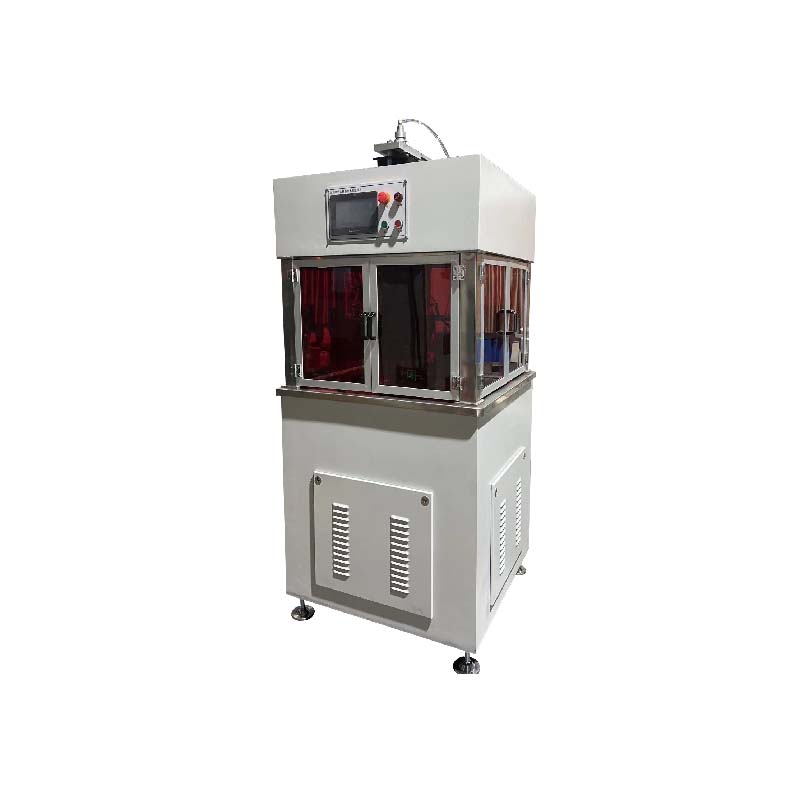
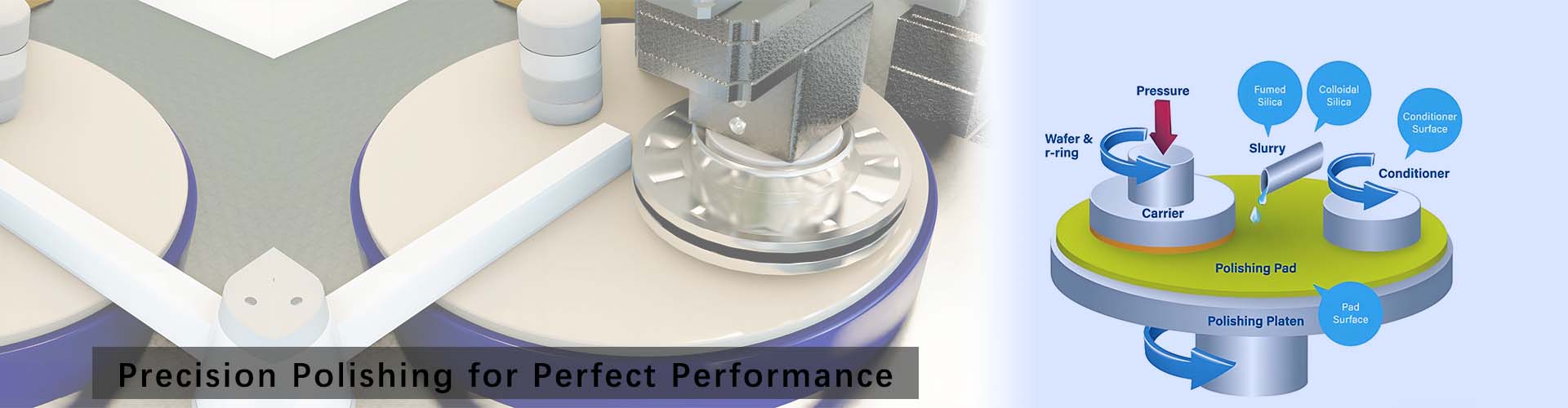
Mirror Polishing Machine eliminates microscopic protrusions through physical cutting, chemical dissolution, or electrochemical action. The specific implementation follows this scientific path:
1. PreconditionsBefore polishing with a Mirror Polishing Machine, it is necessary to ensure that the material's flatness and roughness have already reached the micron level. For example, if the roughness is already within 0.05um, polishing can maintain excellent flatness while achieving a mirror finish in the shortest time.Matching equipment with consumables is crucial. Consumables must decrease incrementally: use polyurethane pads with 2-5μm diamond for rough polishing, and switch to ultra-fine fiber velvet cloth with nano-grade alumina or silica for fine polishing. Cross-contamination is strictly prohibited.
2. Core Process: Graded Polishing Control
-
Rough Polishing: The goal is efficient scratch removal. Control mechanical polishing speed at 30-50r/min with a pressure of 0.2-0.3MPa to rapidly reduce roughness using microscopic cutting.
-
Medium Polishing: The goal is to eliminate rough polishing scratches. Reduce speed to 30-40r/min, use velvet wheels with W10-W5 cerium oxide abrasives, and intermittently add polishing liquid (0.5-1mL/min) to ensure a uniform matte base.
-
Fine Polishing: This is key to forming the mirror surface. Adopt low pressure and low speed (≤20r/min, pressure ≤0.2MPa) with polishing agents below 0.5μm to fill valleys through micro-plastic deformation.
3. Quality Control: Defect Prevention and DetectionControl environmental cleanliness throughout to prevent dust contamination. Strict temperature control during polishing is required to prevent thermal deformation. For common defects: strengthen cleaning and replace abrasives for scratches; reduce pressure below 0.2MPa for orange peel texture.Inspection uses a dual standard of "Instrument + Visual": measure Ra value with a roughness meter and observe micro-topography with a white light interferometer; visually inspect under standard light sources, requiring a reflectivity ≥85% with no foggy traces.The core of achieving a perfect mirror finish lies in "gradual refinement and precise control." Through scientific process design and strict parameter execution, high-end manufacturing standard mirror products can be stably produced on a
Mirror Polishing Machine.







 English
 русский
 한국어
한국어 Deutsch
 español
 italiano
 العَرَبِيَّة