Technical Bottlenecks and Breakthrough Paths for High-Precision Machining of Alloy Steel Polishing Machine
At present, the planar polishing of alloy steel faces three major technical difficulties.
First, it is difficult to control machining deformation and residual stress. Alloy steel features high hardness and brittle toughness; substantial frictional heat is generated during polishing, easily causing thermal deformation and internal residual stress. Traditional equipment suffers from severe vibration and unstable grinding plate temperature. Workpieces are prone to warpage, edge collapse and surface ripples after processing, making it hard to guarantee overall planar accuracy.
Second, ultra-high precision indicators cannot be stably maintained. Ordinary polishing equipment has large clearance in the transmission structure, insufficient rotational accuracy of the grinding disc, and inaccurate adjustment of pressure and rotating speed. Error fluctuation is obvious in batch production, making it difficult to steadily meet strict requirements of flatness 0.3 μm and TTV ≤ 1 μm, resulting in generally low product yield.
Third, it is hard to balance surface polishing quality. Conventional polishing consumables have poor adaptability, easily causing scratches, microcracks and surface damage during processing, which directly affects subsequent assembly accuracy and operational stability of workpieces.
In response to the above industry pain points, mature and reliable technical breakthrough solutions have been formed.
The
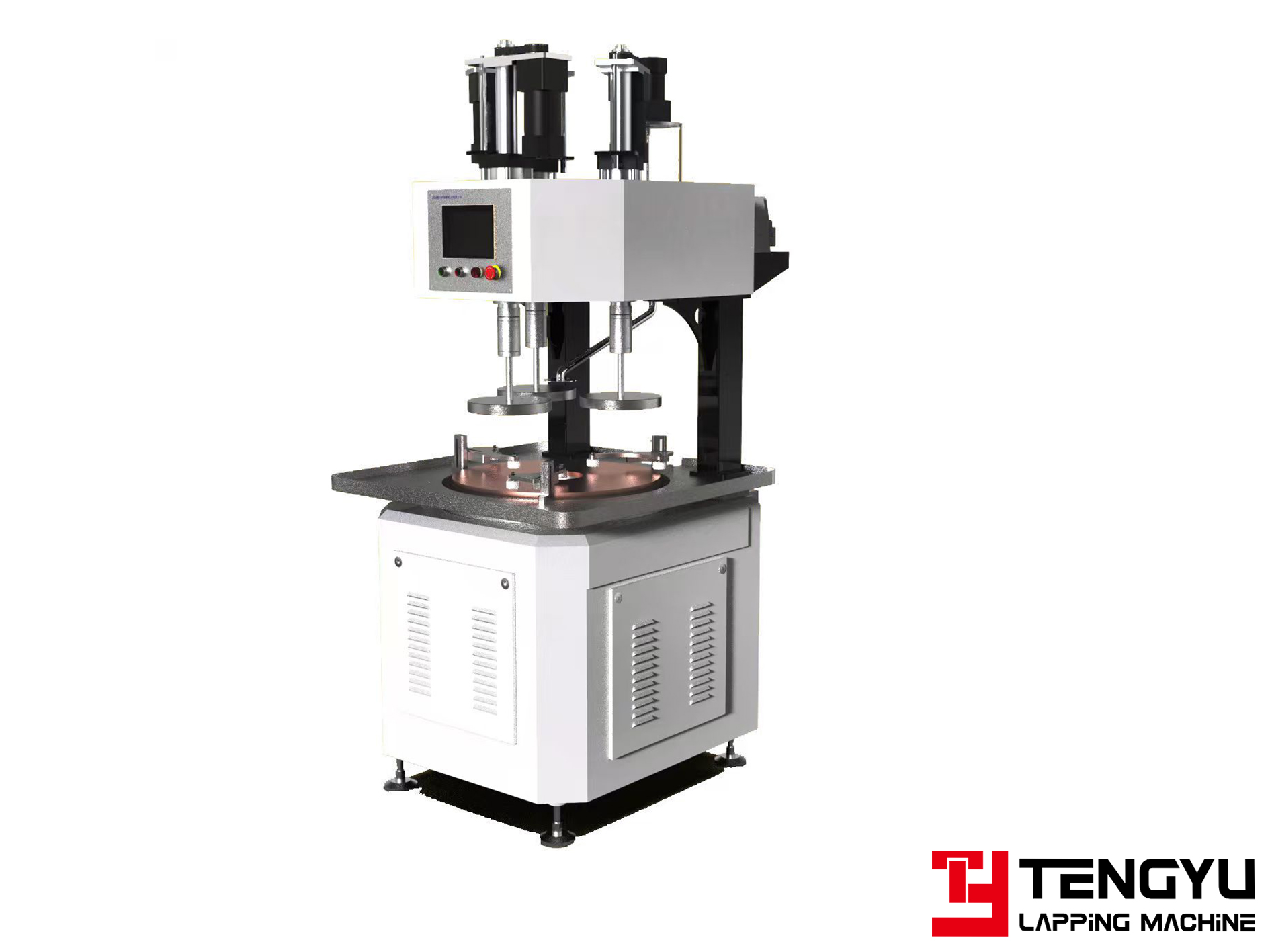
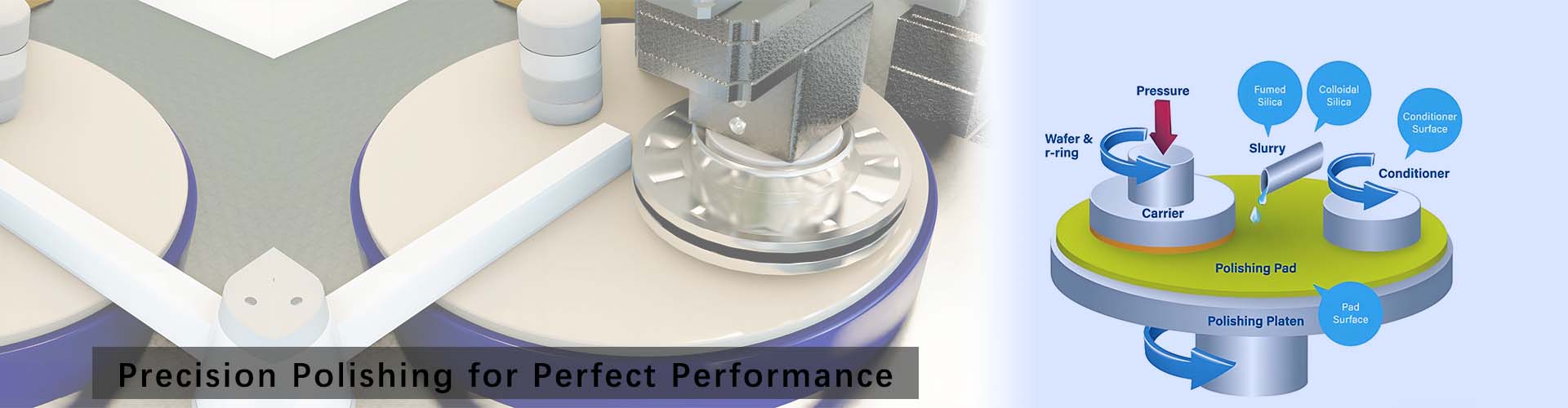
Alloy Steel Polishing Machine adopts a high-rigidity integrated frame and high-precision low-vibration spindle structure to reduce operational jitter. Equipped with a constant temperature control system, it effectively reduces thermal machining deformation. The machine integrates a full closed-loop online detection and intelligent pressure & speed regulation system, which adjusts polishing parameters in real time to realize uniform micro material removal, steadily achieving core precision indicators of flatness 0.3 μm and TTV ≤ 1 μm. Combined with customized dedicated polishing consumables and graded polishing processes, it achieves scratch-free and low-damage surface machining while ensuring polishing efficiency.
In the future, Alloy Steel Polishing Machine will upgrade toward high precision, low stress and intelligence, comprehensively improving the finishing manufacturing capacity of domestic high-end precision alloy steel parts.







 English
 русский
 한국어
한국어 Deutsch
 español
 italiano
 العَرَبِيَّة