How does the Silicon Double-Side Lapping Machine realize low-damage planar processing of wafers?
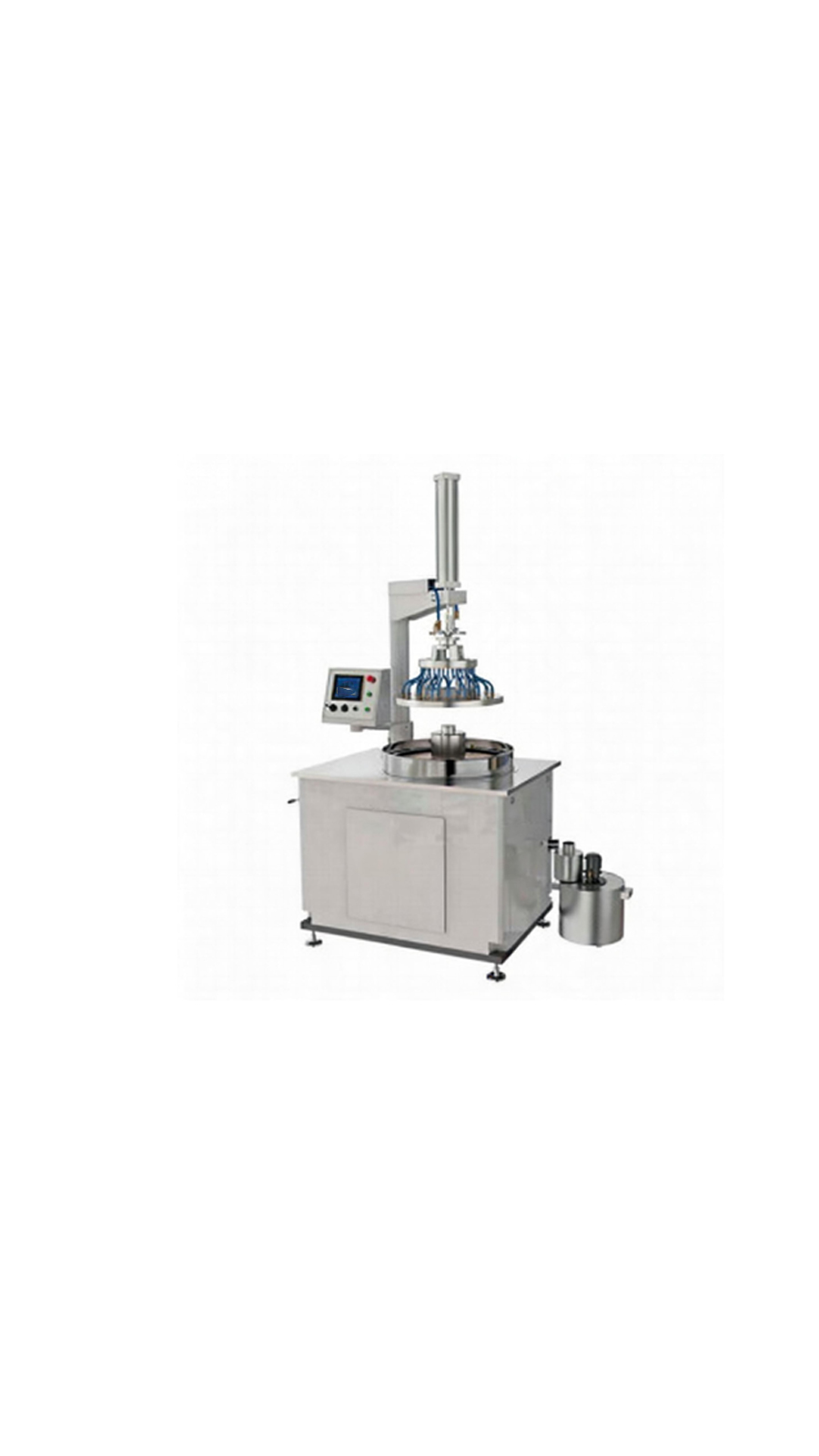
The machine adopts a planetary lapping structure where the upper and lower lapping plates move synchronously. Workpieces generate compound lapping trajectories between the plates, with stock removal on both surfaces proceeding simultaneously and balanced force distribution, avoiding deformation risks caused by single-side processing. The servo pressure control system supports multi-segment pressure curve programming, dynamically adjusting load according to process sequence and reducing impact on workpieces at the moment of pressure application. The lapping slurry circulation system continuously supplies the working medium, promptly removing heat and abrasive debris, stabilizing the processing environment, controlling material removal rate and suppressing surface crack initiation.
All process parameters can be saved as recipes for easy reproduction in mass production to ensure batch consistency. Monocrystalline silicon is brittle and highly sensitive to processing stress. This method effectively limits the depth of the damaged layer. Processed workpieces feature excellent flatness and minor thickness deviation. The consistent processing performance meets the pre-treatment requirements of various semiconductor chip substrates and provides a reliable base for subsequent processes such as photolithography and bonding. Plate rotation speed, processing duration and slurry supply flow can be adjusted independently, offering flexible process adaptation, and balancing processing efficiency and finished product yield.





 English
 русский
 한국어
 Deutsch
 español
 italiano
 العَرَبِيَّة